

ERI
Extended Resources Inventory.
An Extended Resources Inventory (ERI) is the top level of BREEAM In-Use RSC03: a resources inventory that treats your building as a material bank, adding current financial value, maintenance to preserve it, and strategies to maximise returns through reuse and recycling.
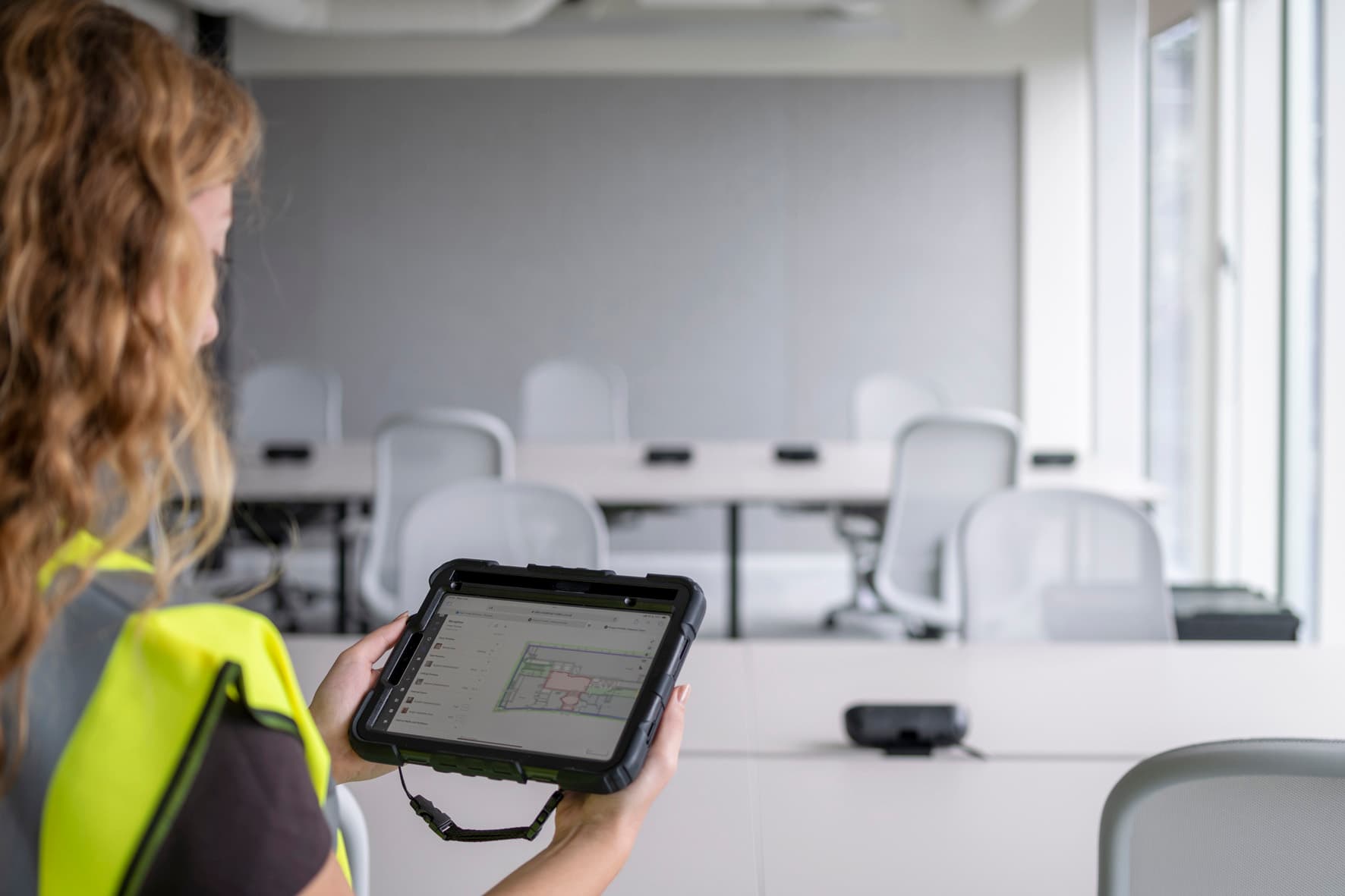
What is an Extended Resources Inventory?
Book an auditAn Extended Resources Inventory (ERI) is an assessment of the current materials within a building, or a number of buildings, including key data such as quantities, condition, the current market value of these items, ongoing maintenance information and deconstruction guidance for when the building is to be refurbished. Its purpose is to support sustainable resource management by enabling owners and occupiers to recognise, maintain and benefit from the value of these resources, promoting reuse and recycling at end of life and reducing waste and virgin material consumption.
BREEAM In-Use RSC03 (opens in new tab) (Resources Inventory) treats a building as a material bank, and it comes at two levels. A Simple Resources Inventory records the functional classification, constituent materials, location and estimated quantity of significant resources, earning two credits. An Extended Resources Inventory builds on that to earn the full four credits (opens in new tab).
The ERI adds the current financial value of those resources, planned maintenance to preserve that value, and strategies for maximising financial income or avoiding costs through reuse or recycling. BREEAM expects it to be completed by someone with expertise in circular economy principles, and confirms a detailed deconstruction plan is not required.
BREEAM In-Use applies to existing buildings in operation. For new-build and major refurbishment, the equivalent requirements sit under BREEAM V7 Wst 01, Wst 06 and Mat 05.
An ERI catalogues:
- What each material, component or piece of equipment is, and its condition
- Where it sits within the building
- Each asset's current value, and how this can be retained through ongoing maintenance
- Guidance on how each material can be deconstructed for reuse
Why you need an ERI?
The value of RSC03 is not just the credits, it is treating your building as a material bank. The Extended Resources Inventory earns the full four credits and gives a clear view of the financial value locked up in your materials and how to preserve and recover it, alongside the lifecycle benefits of proactive maintenance.
As the ERI identifies strategies for reuse and recycling, it connects directly to recovery: the same data can list these materials on the Material Index marketplace when they are to be replaced, turning a compliance exercise into avoided costs and recovered income.
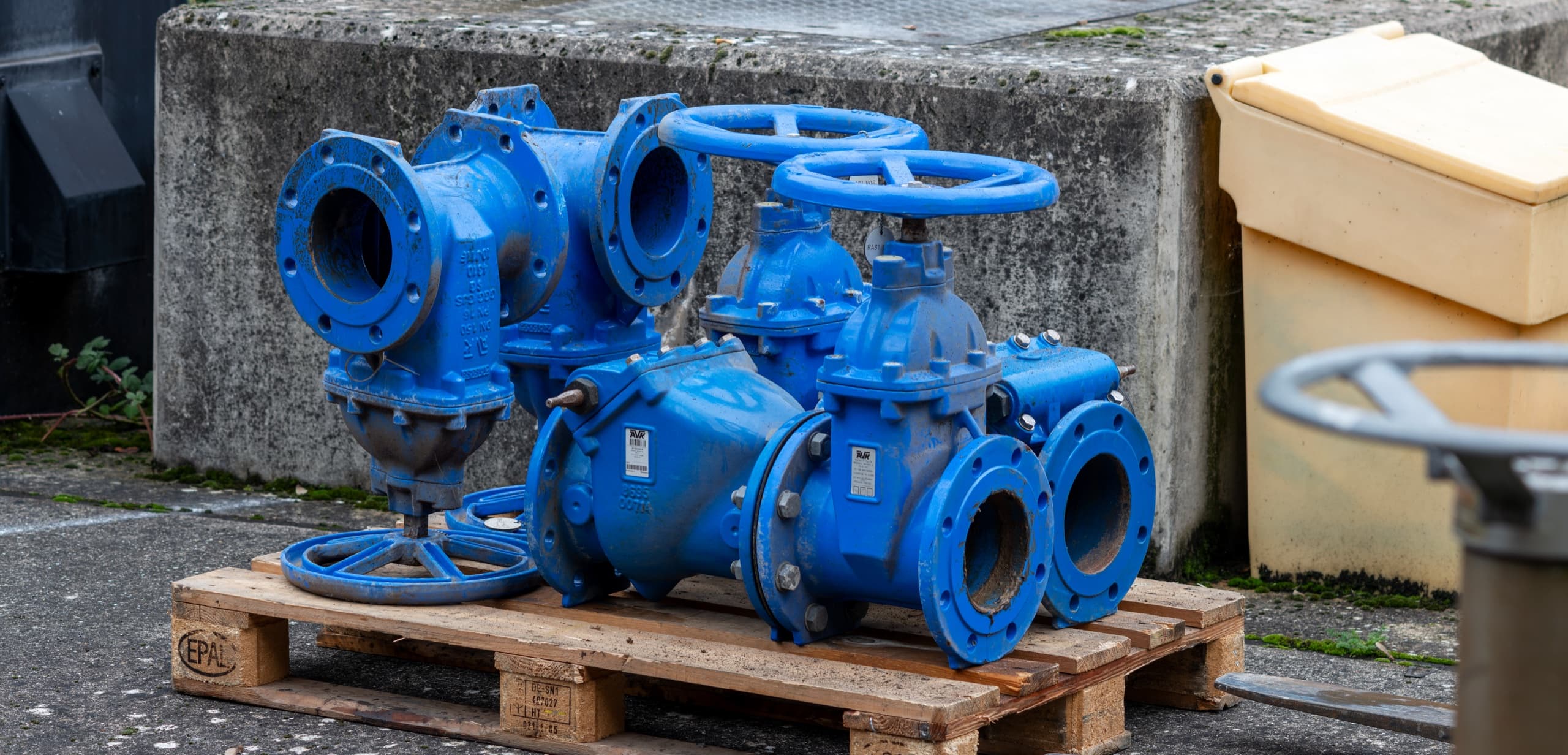
A Material Index ERI includes.
Site Survey.

Full site survey
Digital Audit & Workshops.
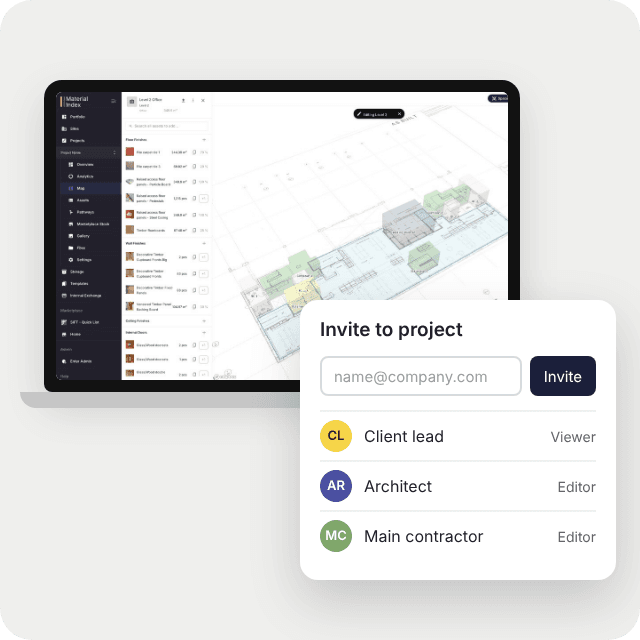
Digital Audit on the MI Platform, with full project team access
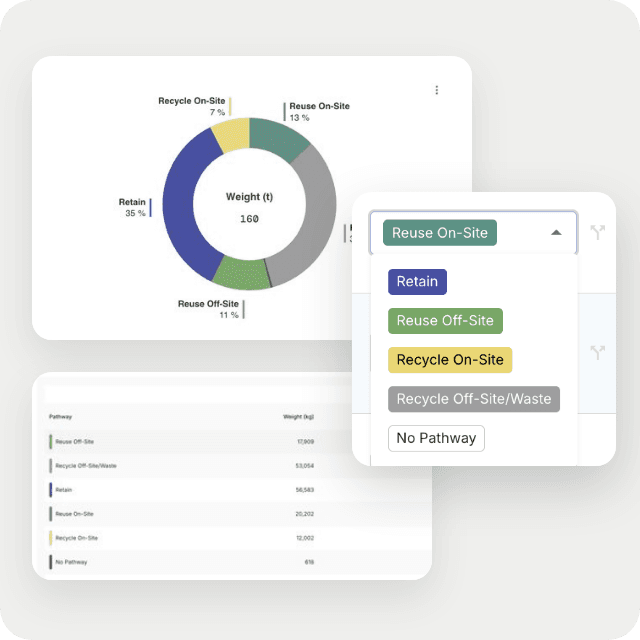
Circular Economy Workshop / Optioneering
Compliance Reporting.
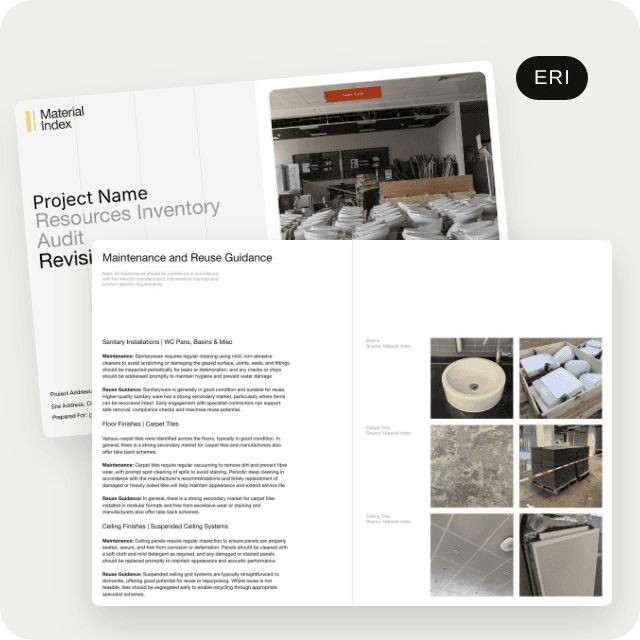
PDF ERI report
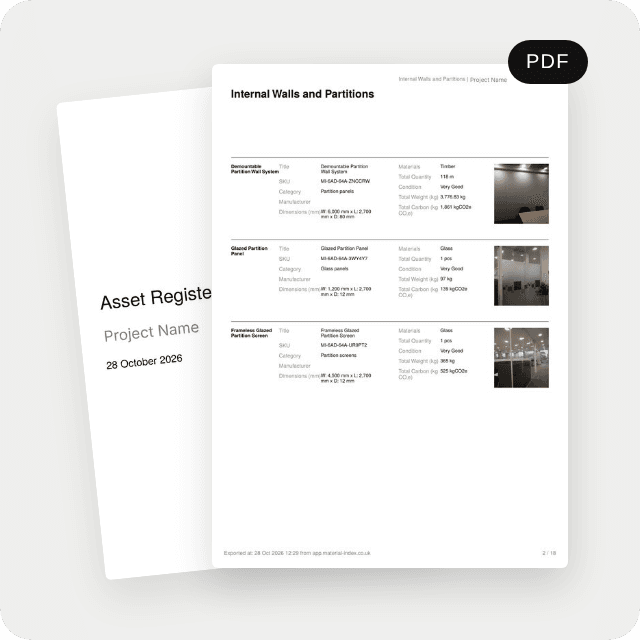
PDF & CSV Asset Registers
Audit Enquiry.
Tell us about your project and we will come back with a scope and a fee proposal.
It helps to include:
- The site address and approximate floor area (GIA)
- The audit you need, or the planning, BREEAM or GLA requirement it is for
- Your programme: when you need the report, and when strip-out or demolition starts
- Any drawings, asbestos surveys or previous audits of the building
We have completed over 250 audits across the UK, to BREEAM, GLA and LEED requirements. We aim to respond the same day, or within 24 hours, and can be on site within 5 days.
Material Index Audits.
We carry out Extended Resources Inventories with in-house circular economy expertise, through the same platform we use for our audits. Our auditors catalogue significant resources on site, capturing functional classification, material composition, location and quantity, then add current financial value, maintenance guidance to preserve it, and reuse and recycling strategies to maximise returns.
The result delivers the full four credits under BREEAM In-Use RSC03, and the same dataset plugs into the Material Index marketplace and supports Material Passports for any material you carry forward.
Case Studies.

2 Kingdom StreetBritish Land

A Resources Inventory of British Land's office at Paddington Central, for BREEAM In-Use. It sets out value, upkeep and reuse for each key material.
Read the case study
1 Triton SquareBritish Land
A Material Passport for British Land's refurbished lab sciences building. Its materials stay manageable long after handover.
Read the case studyHow does a Material Index ERI meet compliance?
Compliance
- BREEAM In-Use RSC03 (Resources Inventory), extended level, four credits
- BIU International Commercial and Residential V6
- Current financial value of significant resources
- Planned maintenance to preserve material value
- Strategies to maximise returns through reuse and recycling
- Completed by a circular economy expert; no deconstruction plan required
Ideal for
- In-use commercial and residential buildings targeting BREEAM In-Use RSC03
- Asset owners quantifying the financial value locked up in their materials
- Portfolio managers treating their buildings as material banks
- Projects recovering value and income through reuse and recycling
Areas Material Index covers.
We deliver audits across London and the UK. Get in touch to start your project.
Audit to Action.
Every audit is a live inventory. Use it to catalogue, manage exchange and track your materials. Material Index offers follow-on services to broker your materials to registered Trade Partners before strip-out or deconstruction begins.

Audit
Qualified auditors catalogue every component on site using our audit app.

Collaborate
The project team reviews the inventory together on the MI platform and decides what to retain, reuse or sell.
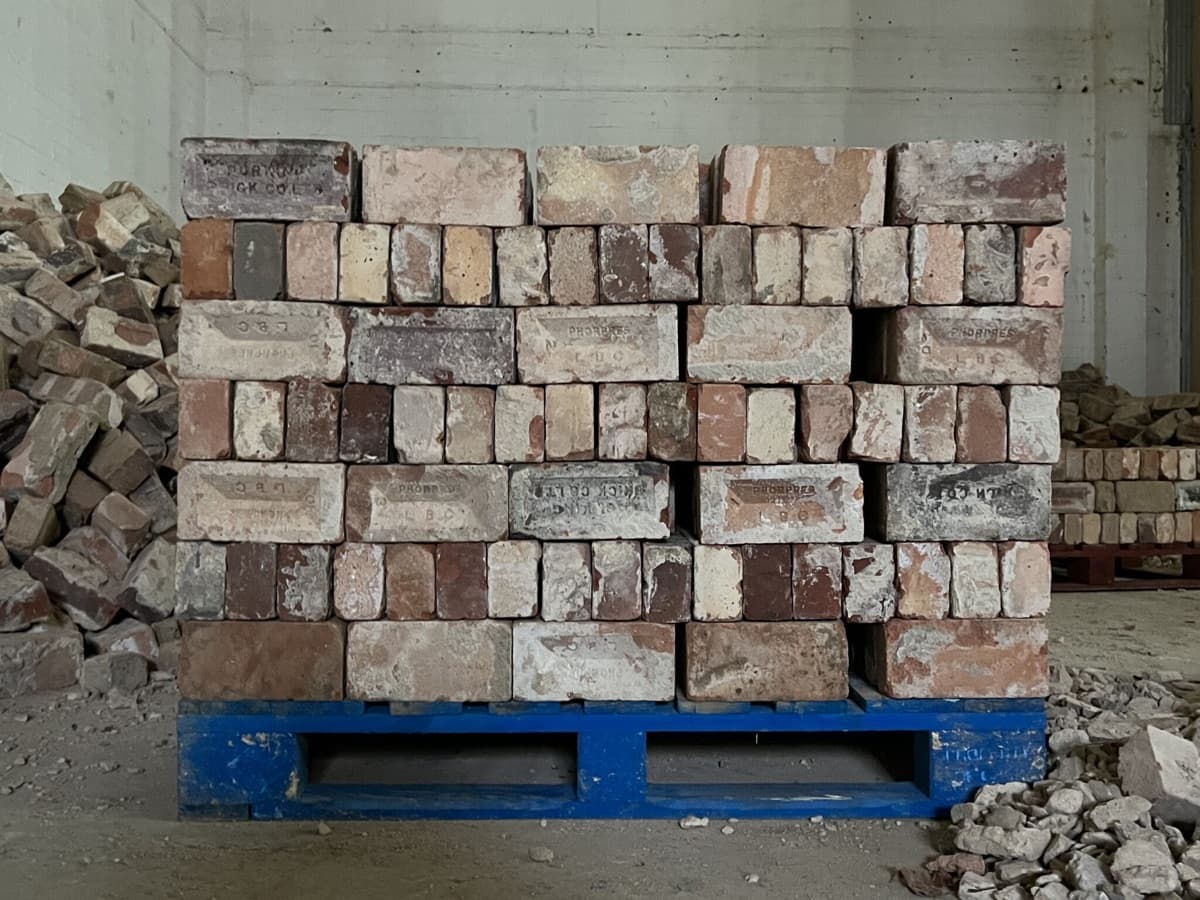
Exchange
We broker materials to registered Trade Partners through the marketplace, with full tracking and reporting.
FAQ.
What is the difference between a Simple and Extended Resources Inventory?
A Simple Resources Inventory records functional classification, constituent materials, location and estimated quantity, and earns two credits under RSC03. An Extended Resources Inventory adds current financial value, planned maintenance to preserve it, and reuse and recycling strategies, earning the full four credits.
Who can carry out an ERI?
BREEAM expects an Extended Resources Inventory to be completed by someone with expertise in circular economy principles. Material Index carries them out with in-house circular economy expertise.
How does RSC03 relate to RSC01?
RSC01 is a condition survey of the building's main elements (up to seven credits); RSC03 is the resources inventory (up to four credits). They are complementary BREEAM In-Use credits, and an Extended Resources Inventory is the top level of RSC03.
Do I need a detailed deconstruction plan?
No. BREEAM confirms a detailed deconstruction plan is not expected. The ERI is guidance robust enough to inform decision-making on preserving value and maximising returns.