

Material Passports.
Digital material passports that capture the composition, provenance and performance of each building material, so it can be trusted, valued and reused again.

What is a Material Passport?
Book an auditA Material Passport, or digital material passport, is a record attached to a specific material asset, such as a steel beam, a door or a run of timber flooring. It captures what the material is, where it came from, what condition it's in, and what it's technically capable of, things like structural performance, fire rating, or warranty status. The concept was established by the EU Buildings as Material Banks (opens in new tab) (BAMB) project.
Unlike a general audit entry from a pre-demolition audit, a passport is tied to that individual asset and travels with it wherever it goes next. Across a whole building, the passports together form a building material passport: a record of what the building is made of, ready for its next refurbishment or deconstruction.
Why you need a Material Passport?
There is growing demand for Material Passports from a building safety, maintenance and circular economy standpoint. A passport records each material's quantity, specification and condition, improving the quality of data on existing materials so reuse can be judged with evidence. It also supports BREEAM V7 reuse credits under Wst 06.
- Shows the value, carbon and waste saved by reusing a component, before deconstruction
- Gives engineers and buyers the provenance they need to specify reclaimed components
- Stays live through the building's life, updated with each fit-out or change
Material Passports and planning.
Planning guidance is starting to ask for them. The GLA's Circular Economy Statement guidance (opens in new tab) names material passporting as a way to keep building information for end of life.
- City of London: passport data for at least five carbon-intensive new materials on major schemes
- Westminster: a suggested target of 50% of materials, by mass or value, with digital passports
Material Index Audits.
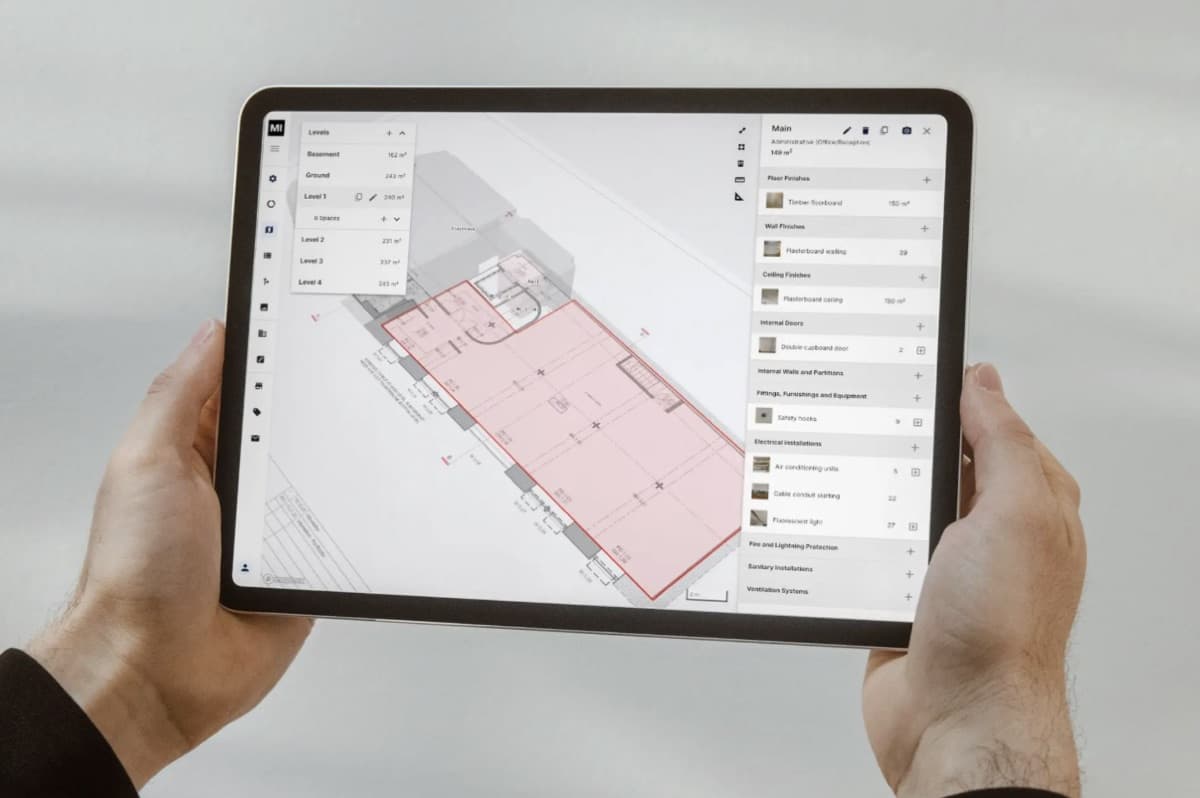
We build passports from a site audit of the existing building and the project team's information at RIBA Stages 2 to 5, such as models, drawings and schedules, then reconcile them at handover. Our method aligns with Accelerating Material Reuse in Construction (Orms and Lancaster University, 2024) and the Waterman Materials Passports Framework (2023). Each passport records:
- Location, dimensions, volume and weight
- Photographs, manufacturer, condition and year of production
- Fire rating, warranty and other safety information
- Embodied carbon and European Waste Code

How it works.
- 01
Cataloguing at site
Materials captured through the MI platform with photographic records and location mapping.
- 02
Data enrichment
Each item enriched with provenance, composition, embodied carbon and condition data.
- 03
Passport generated
A digital Material Passport is created automatically for every catalogued item.
- 04
Managed over time
Passports live on the platform and can be updated, exported and shared across the asset's life.
- 05
Listed for reuse
Passports feed straight into MI Exchange, connecting materials with verified buyers.
Case Studies.

1 Triton SquareBritish Land

A Material Passport for British Land's refurbished lab sciences building. Its materials stay manageable long after handover.
Read the case study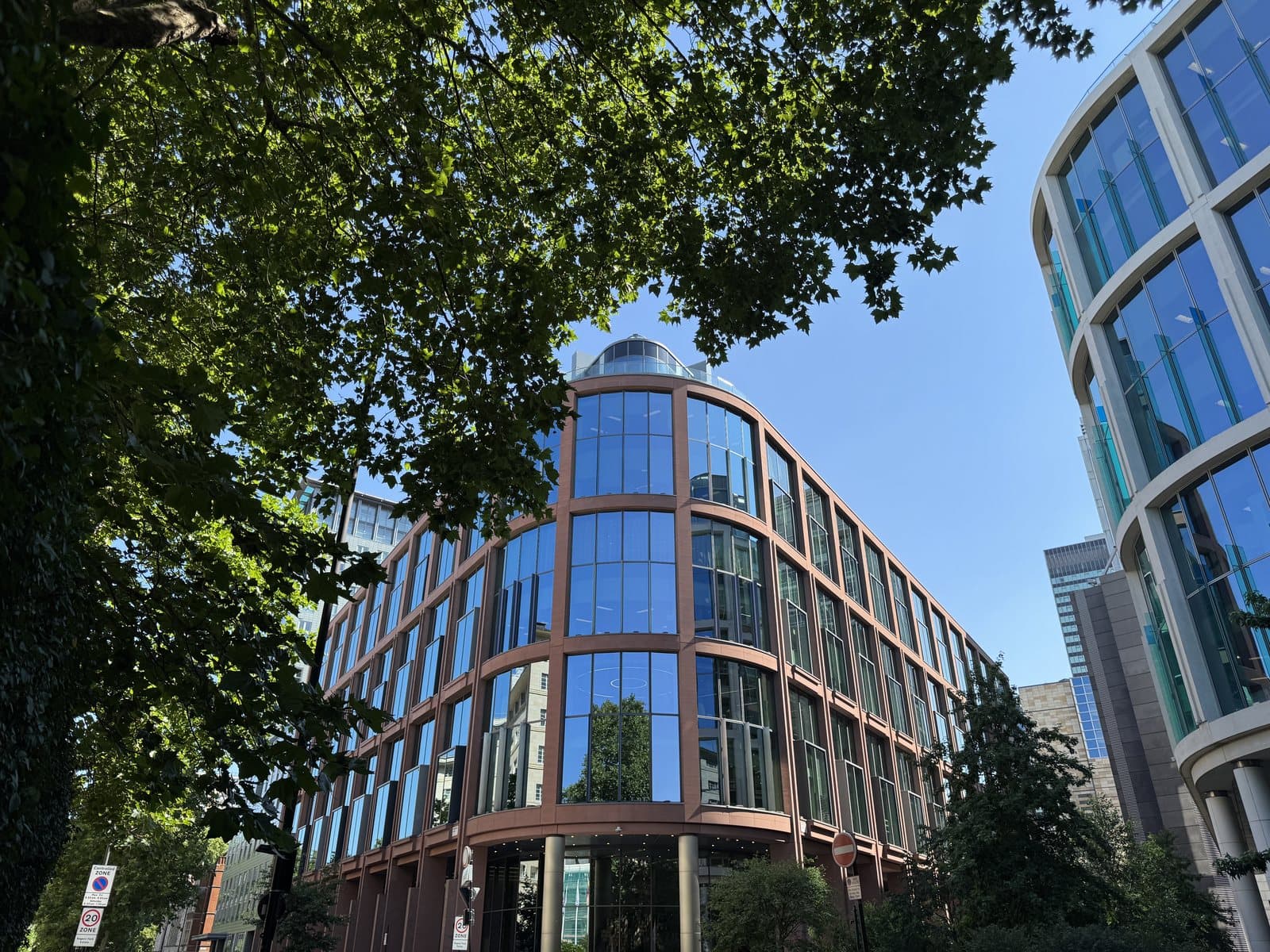
20 Triton StreetBritish Land
A Material Reclamation Audit and Materials Passport for British Land at 20 Triton Street, Regent's Place.
Read the case studyAudit Enquiry.
Tell us about your project and we will come back with a scope and a fee proposal.
It helps to include:
- The site address and approximate floor area (GIA)
- The audit you need, or the planning, BREEAM or GLA requirement it is for
- Your programme: when you need the report, and when strip-out or demolition starts
- Any drawings, asbestos surveys or previous audits of the building
We have completed over 250 audits across the UK, to BREEAM, GLA and LEED requirements. We aim to respond the same day, or within 24 hours, and can be on site within 5 days.
What's included in a Material Index Material Passports.
Deliverables
- Digital passport per assetA structured digital passport for every eligible asset in your audit
- Re-certification ready dataData ready to support structural re-certification and warranty discussions
- Provenance & performanceComposition, provenance, fire rating and performance captured in one record
- Full history to marketEach asset carries its full history into the Material Index marketplace, lifting buyer confidence and resale value
Compliance
- Supports GLA Circular Economy Statement Guidance
- Supports BREEAM waste and whole-life carbon credits
- Aligned with London Plan Policy SI 7 (Circular Economy)
- Data provided in European Waste Codes and Uniclass component codes
Ideal for
- Developers and asset owners building a reuse inventory
- Projects targeting BREEAM and GLA circular economy requirements
- Portfolio-wide material management programmes
- Manufacturers and suppliers documenting product reuse potential
Areas Material Index covers.
We cover the whole of the UK. Read how we meet compliance in specific regions, or get in touch to start your project.
Audit to Action.
Every audit is a live inventory. Use it to catalogue, manage exchange and track your materials. Material Index offers follow-on services to broker your materials to registered Trade Partners before strip-out or deconstruction begins.

Audit
Qualified auditors catalogue every component on site using our audit app.

Collaborate
The project team reviews the inventory together on the MI platform and decides what to retain, reuse or sell.
Exchange
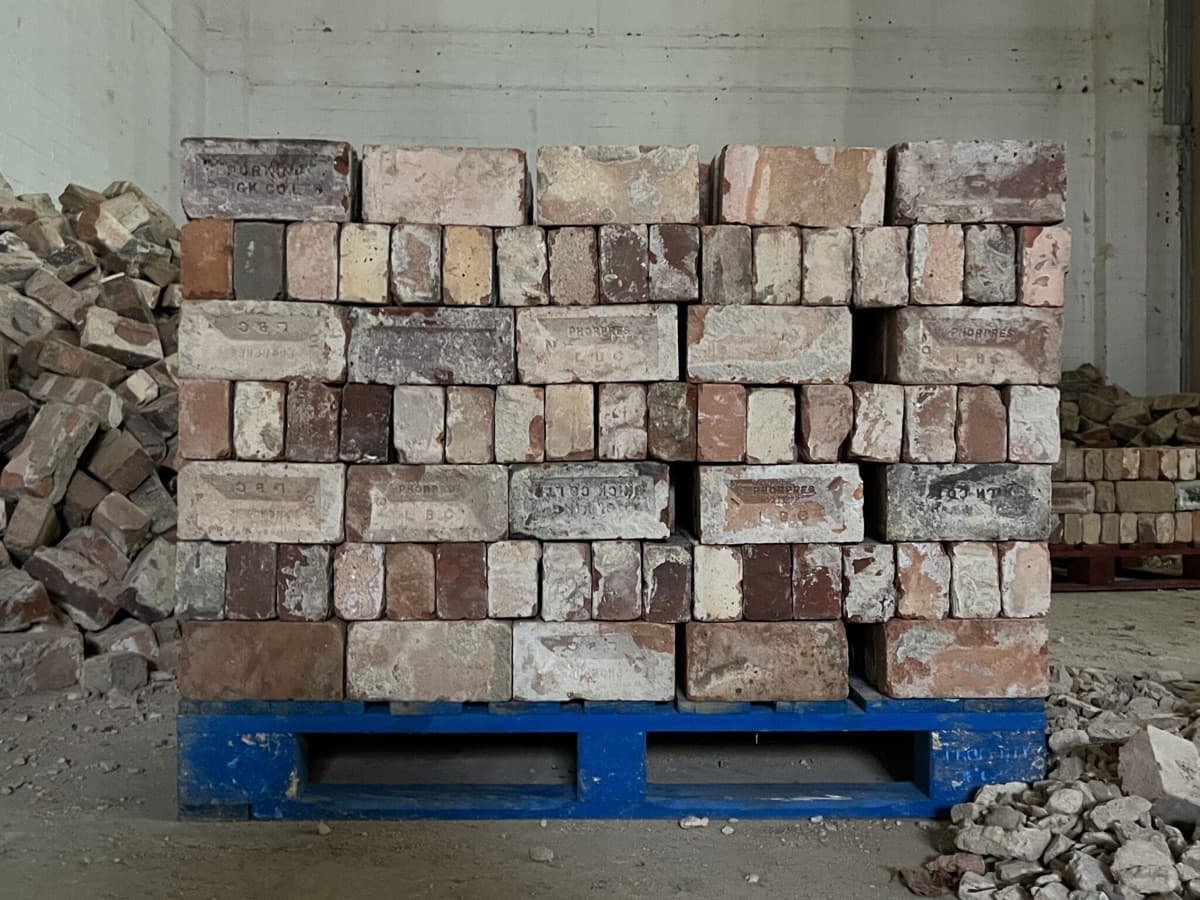
We broker materials to registered Trade Partners through the marketplace, with full tracking and reporting.
FAQ.
How do I get material passports for my building?
Material Passports are generated as part of a Material Index audit. As we catalogue your building, a passport is created for every item, and the library is hosted on our platform.
Can passports be exported for reporting?
Yes. Passports can be exported and shared for BREEAM, GLA Circular Economy Statements and ESG reporting, and they include embodied carbon and waste data for each material.
Do material passports help with reuse?
Yes. Because each passport keeps provenance, condition and composition attached to the material, items can be listed and reused with confidence, feeding straight into the Material Index Exchange.