
Marketplace>Stone>Guide
Material Index Heritage Guide
Matching Reclaimed Stone for Heritage and Landscaping
How to match reclaimed stone for heritage and landscaping projects, what provenance and condition grading cover, and how much to order.
Sign up to our Materials newsletter
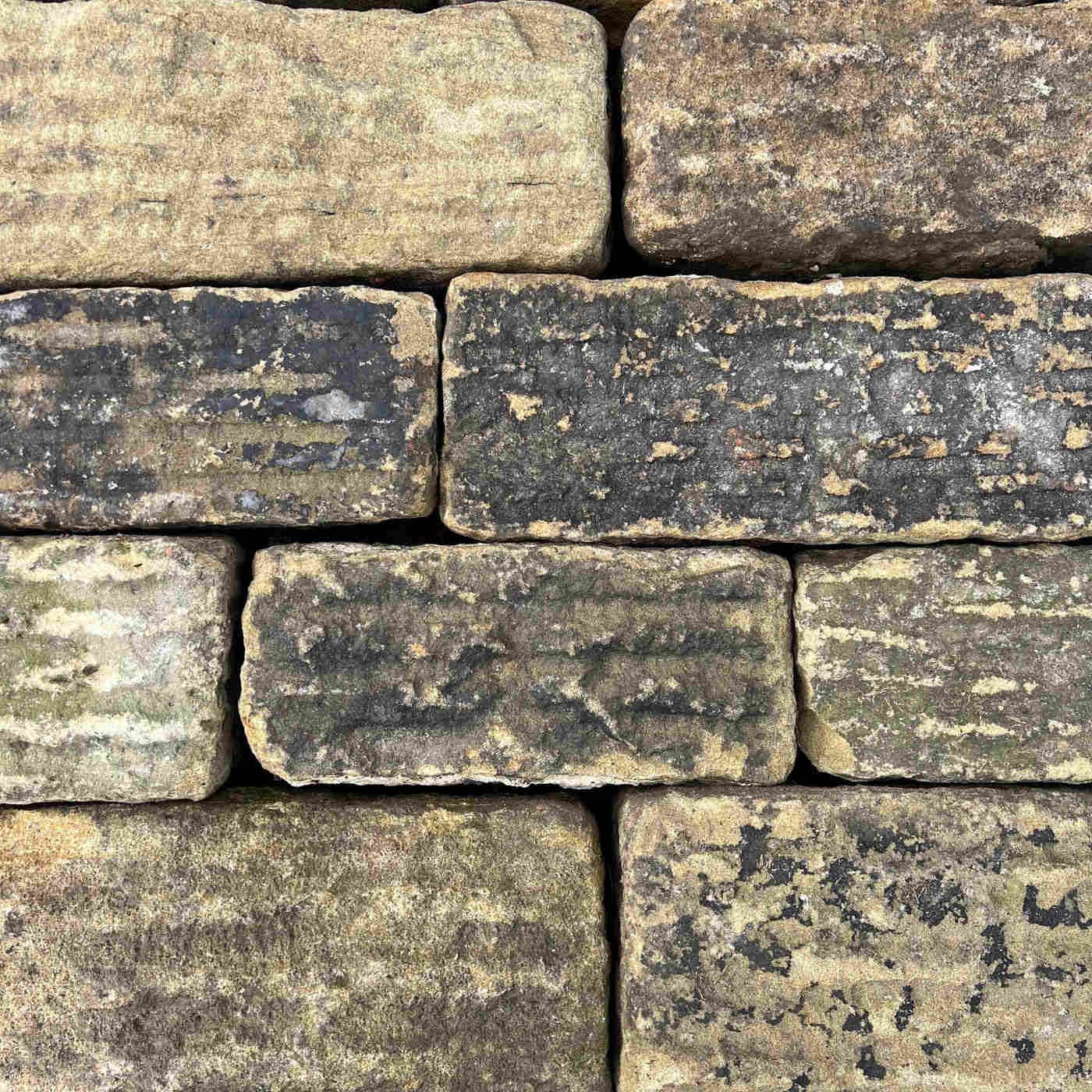
The main types of reclaimed stone
Reclaimed stone spans a wider range of uses than brick, and the type shapes what it's suited for:
- York stone / Yorkstone: sandstone paving and walling, sold riven (naturally split, textured) or sawn and dressed (smoother, more uniform)
- Sandstone: broader category covering blocks, setts and paving beyond York stone specifically
- Coping stones: capping stones for the top of a wall, usually sold to match a specific wall width and profile
- Setts and flagstones: smaller paving units, often reclaimed from historic streets and yards
Provenance for stone
Where known, ask for the quarry or building origin of reclaimed stone. This matters more for stone than almost any other reclaimed category, both for matching an existing scheme and because provenance affects resale value if you're specifying for a high-end or listed project.
Matching for conservation, heritage and landscaping projects
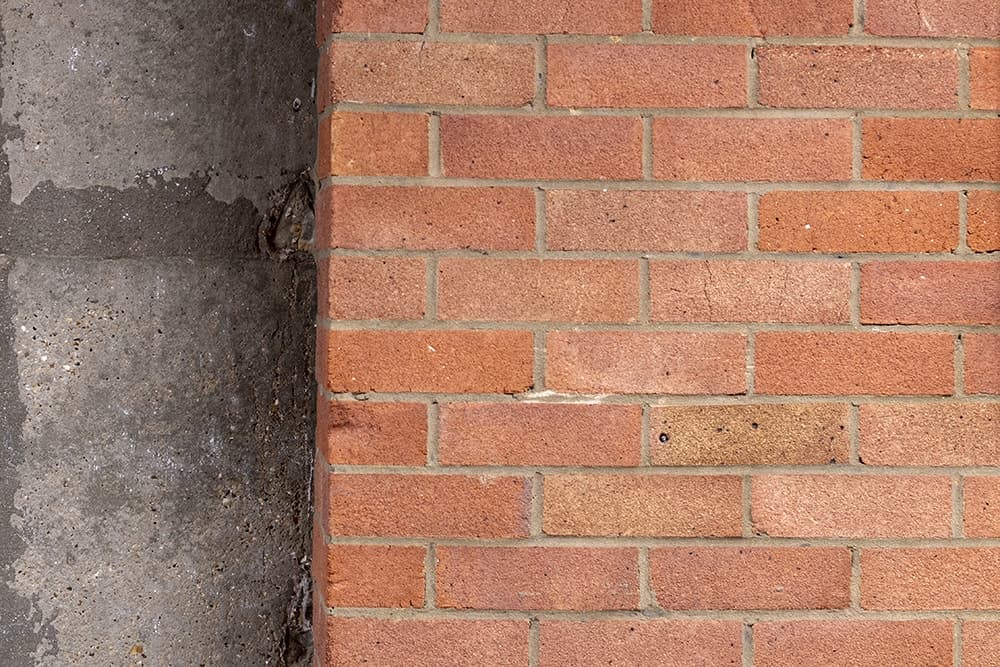
Planning officers in conservation areas often prefer reclaimed stone because it preserves the character of the surrounding area better than new material can, and it's a common choice for landscaping and garden projects for the same reason: weathering and character new stone can't replicate. Take photographs of the existing walling or paving to your supplier so they can match colour, texture and finish as closely as possible.
Quantity and logistics
Order more than the exact calculated quantity to allow for breakage, cutting waste and future repairs, reclaimed material can't always be topped up from the same batch later. Stone is heavy, so factor transport and handling into your planning, especially for larger dimension stone or paving.
How Material Index sources stone
Every listing comes from an audited demolition or deconstruction project, with type, condition and quantity recorded at the point of audit. Browse current stock in Stone, or read about how heritage-sensitive projects are assessed in our audit service.
Browse Marketplace Stock
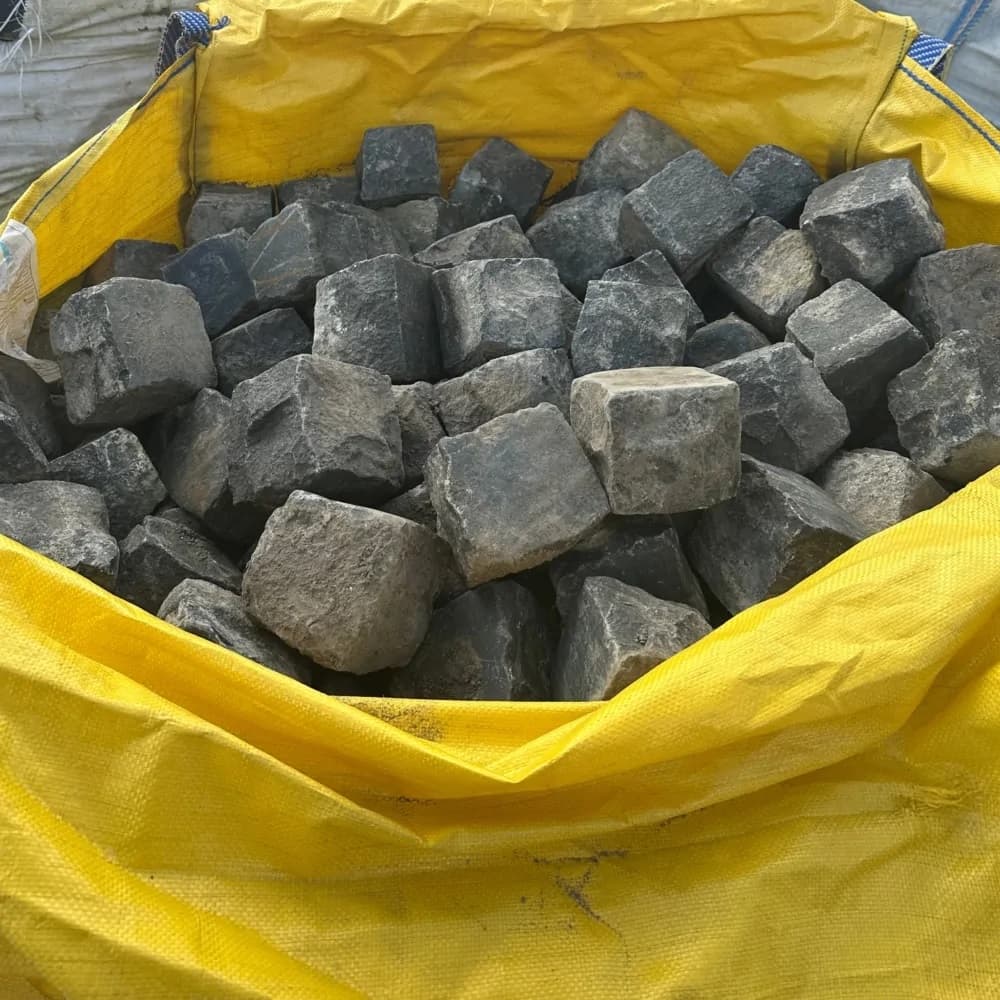
Reclaimed 4X4 Granite Setts – Cubes
£402.30
Reclaimed Yorkstone – Crazy
£86.21
Westmoreland Rockery
£517.24
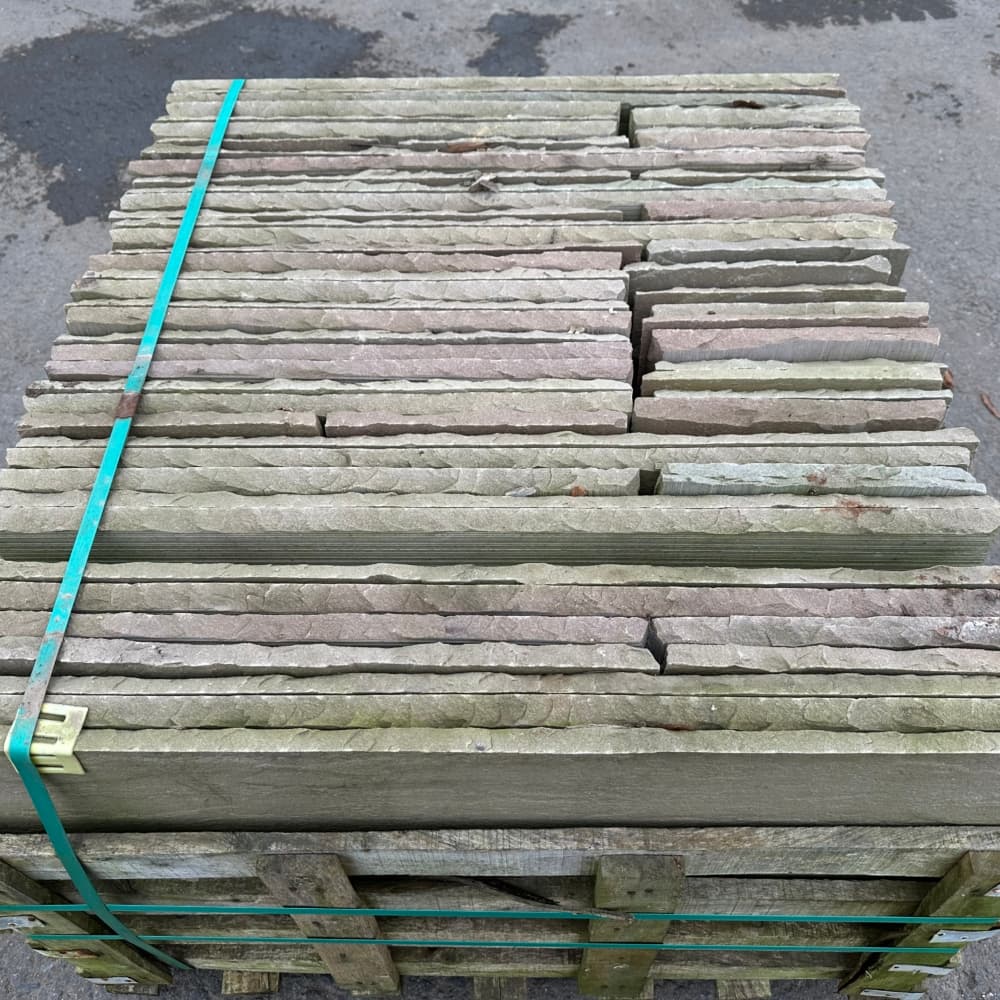
Rivern Natural Sandstone
Price on enquiry
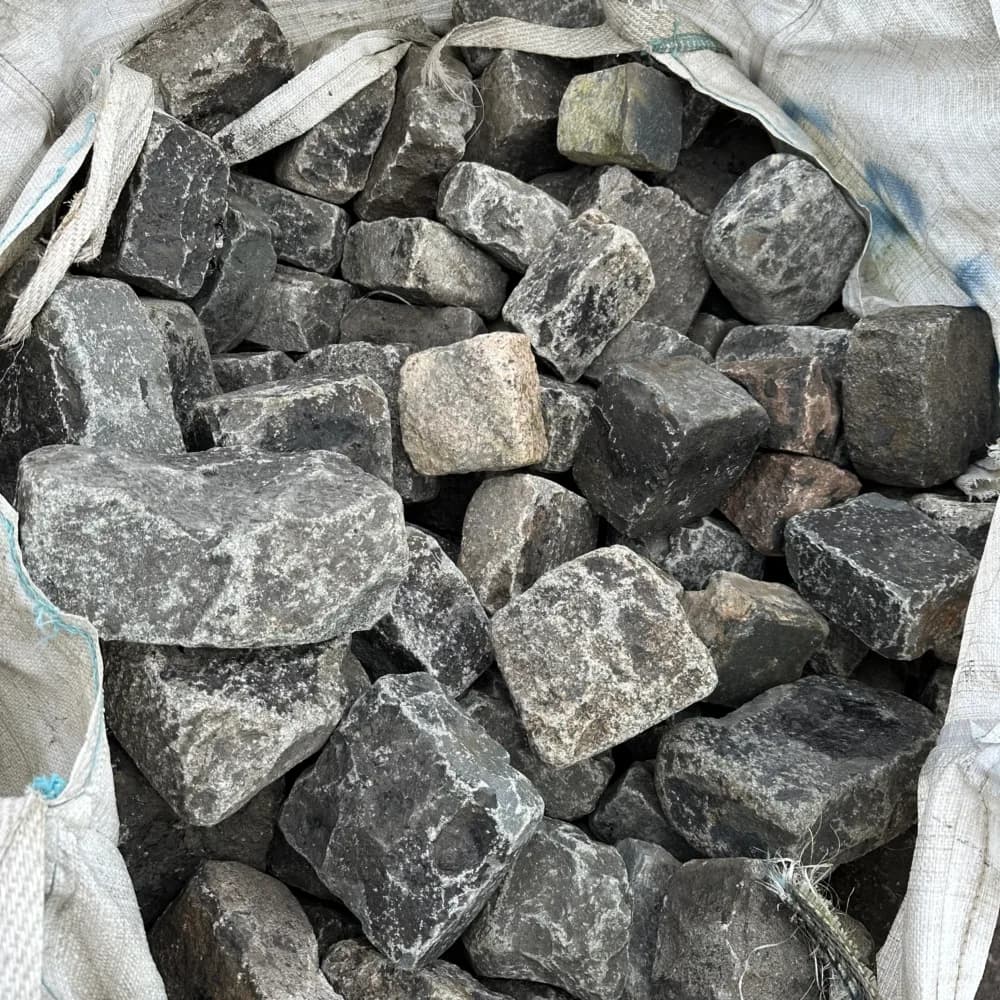
Reclaimed Random Granite Setts
£344.83
Reclaimed Granite Setts – Pink
£350.00
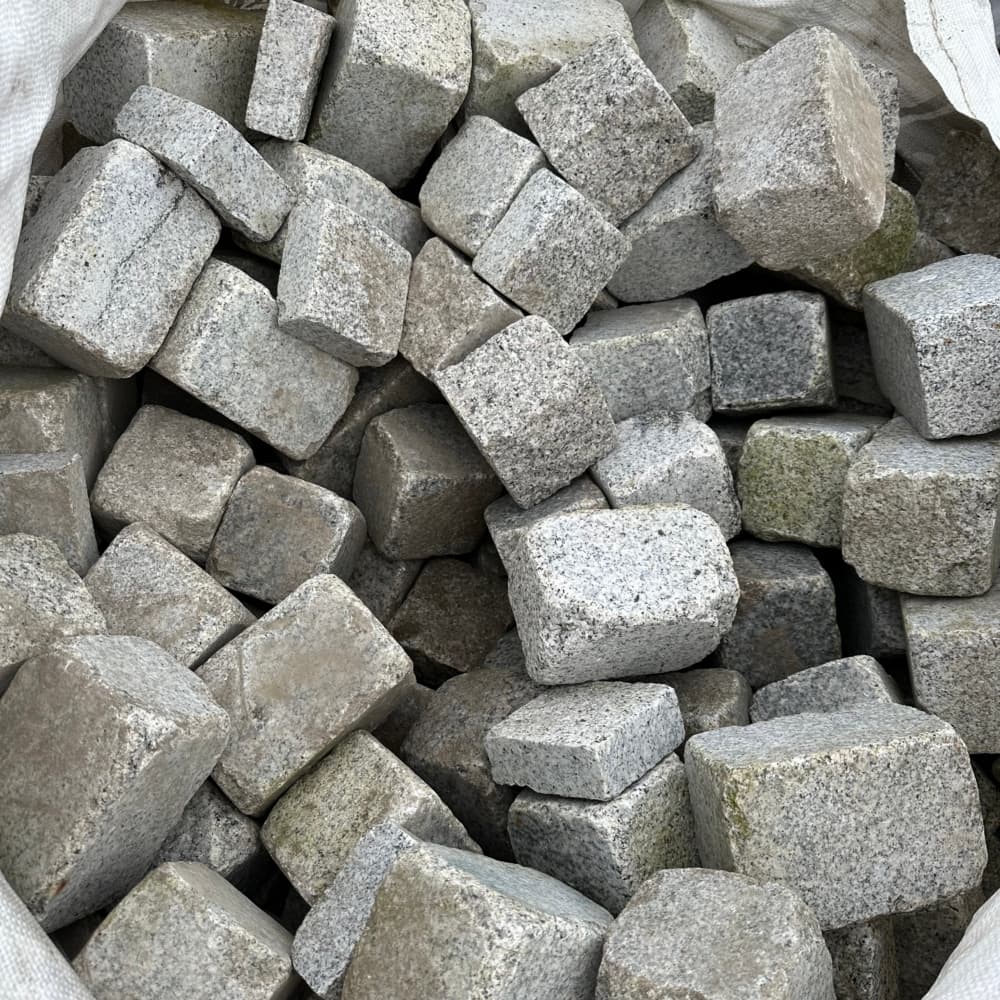
Granite Setts – Cubes
Price on enquiry
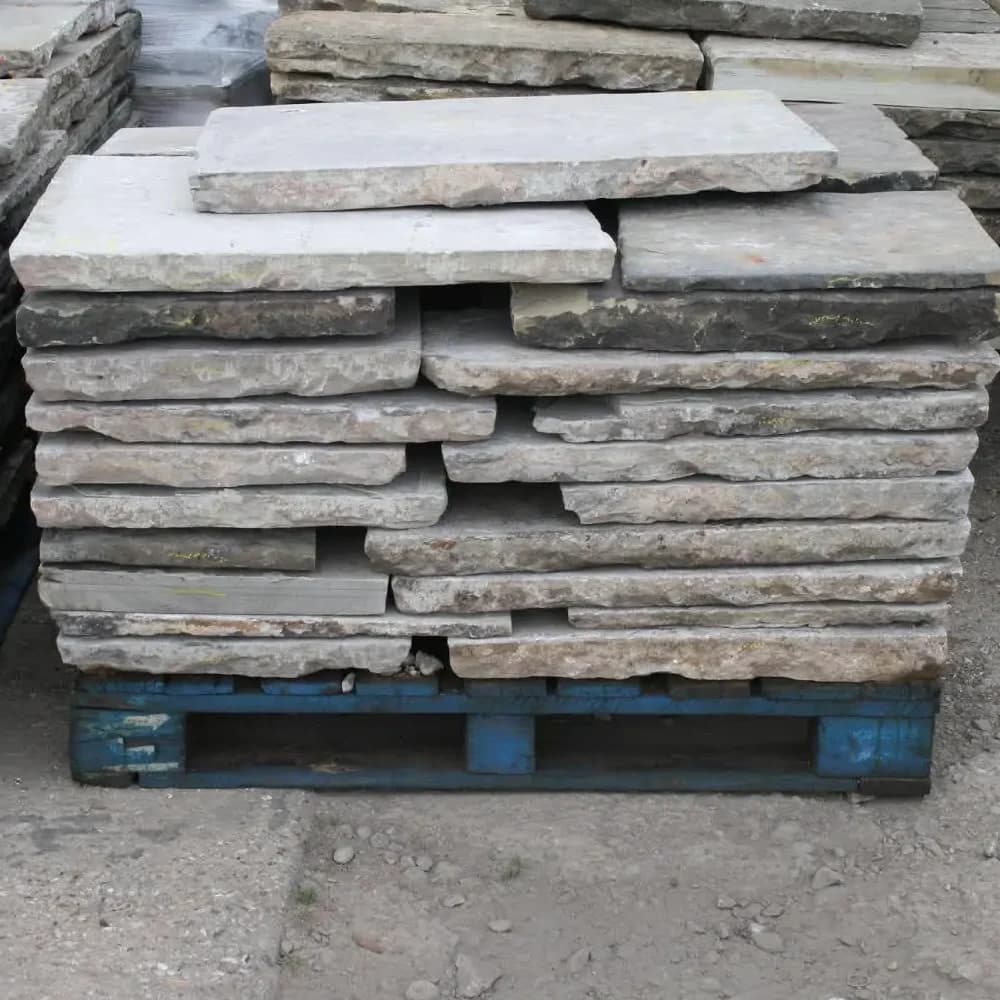
Reclaimed Standard Yorkstone - Riven/Rustic
£132.00
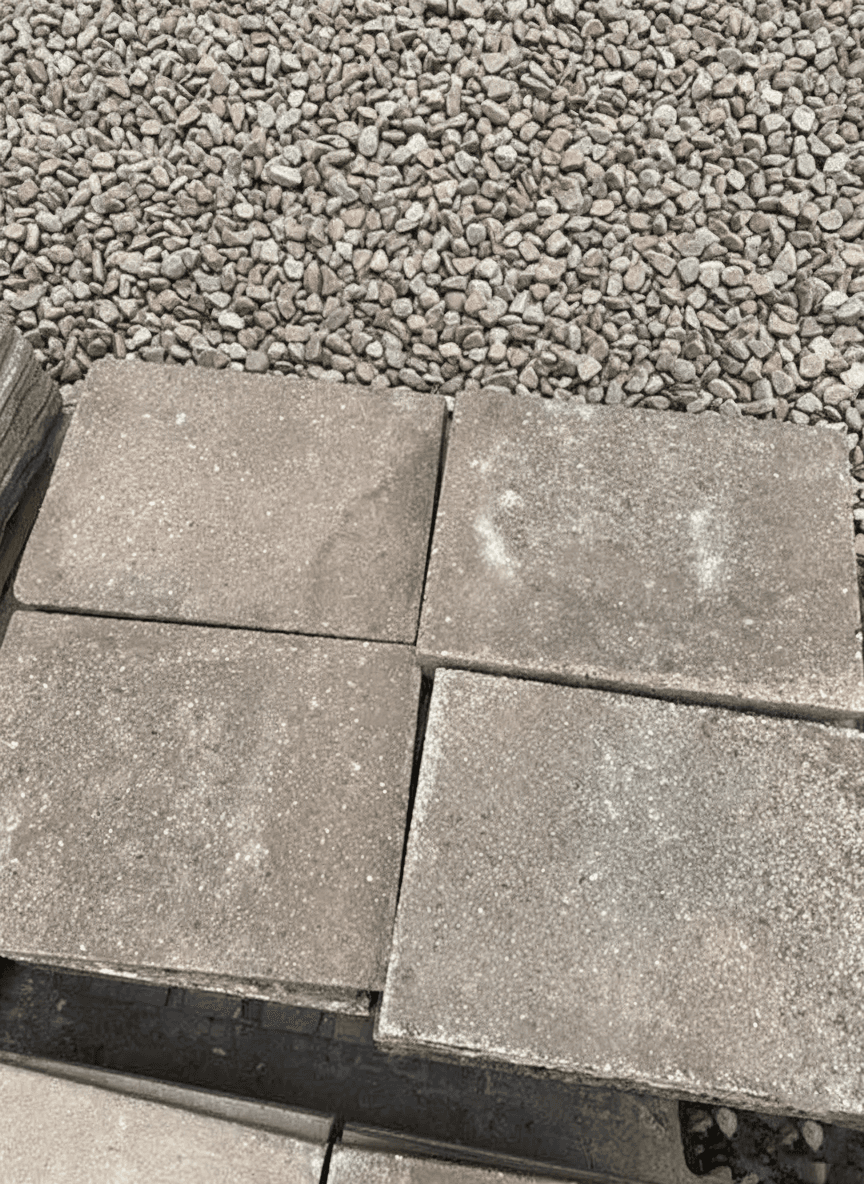
Reclaimed concrete slabs - rectangular
£4.10
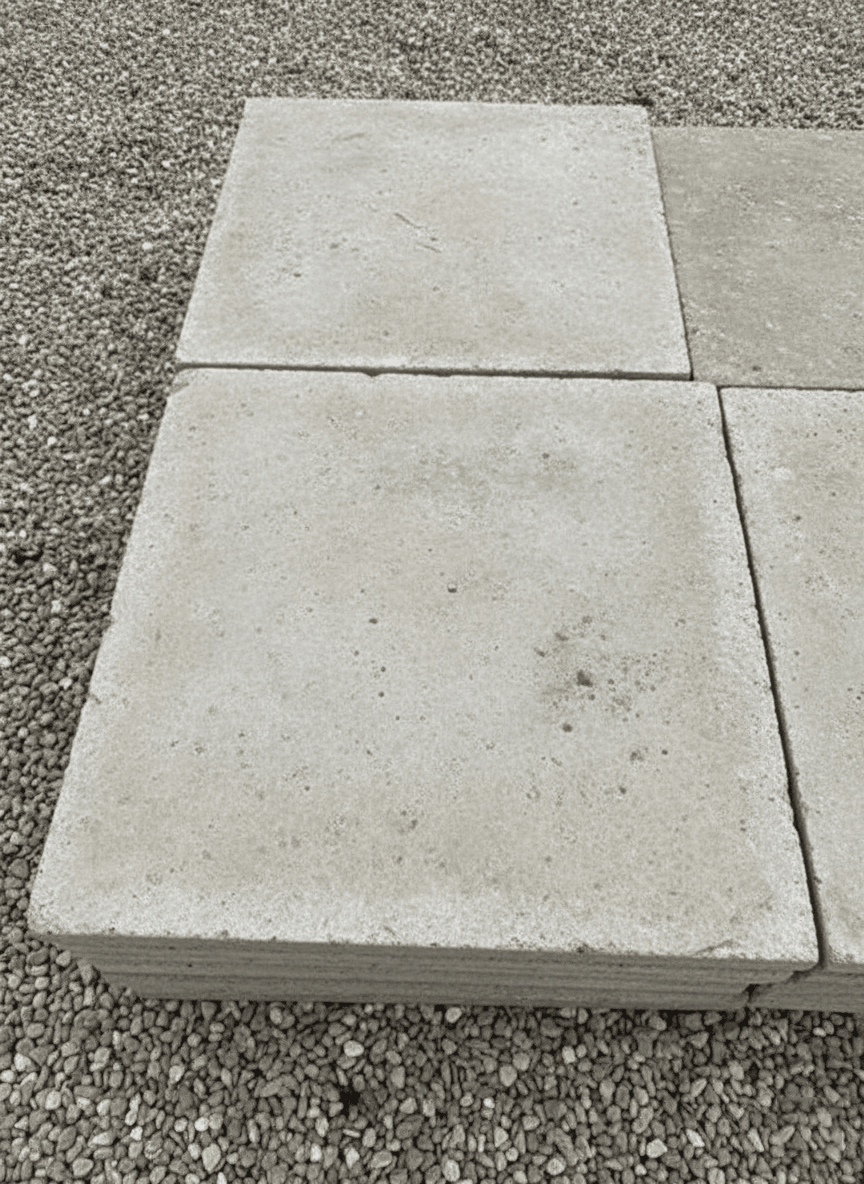
Buff Slabs 600mm x 600mm
£5.65
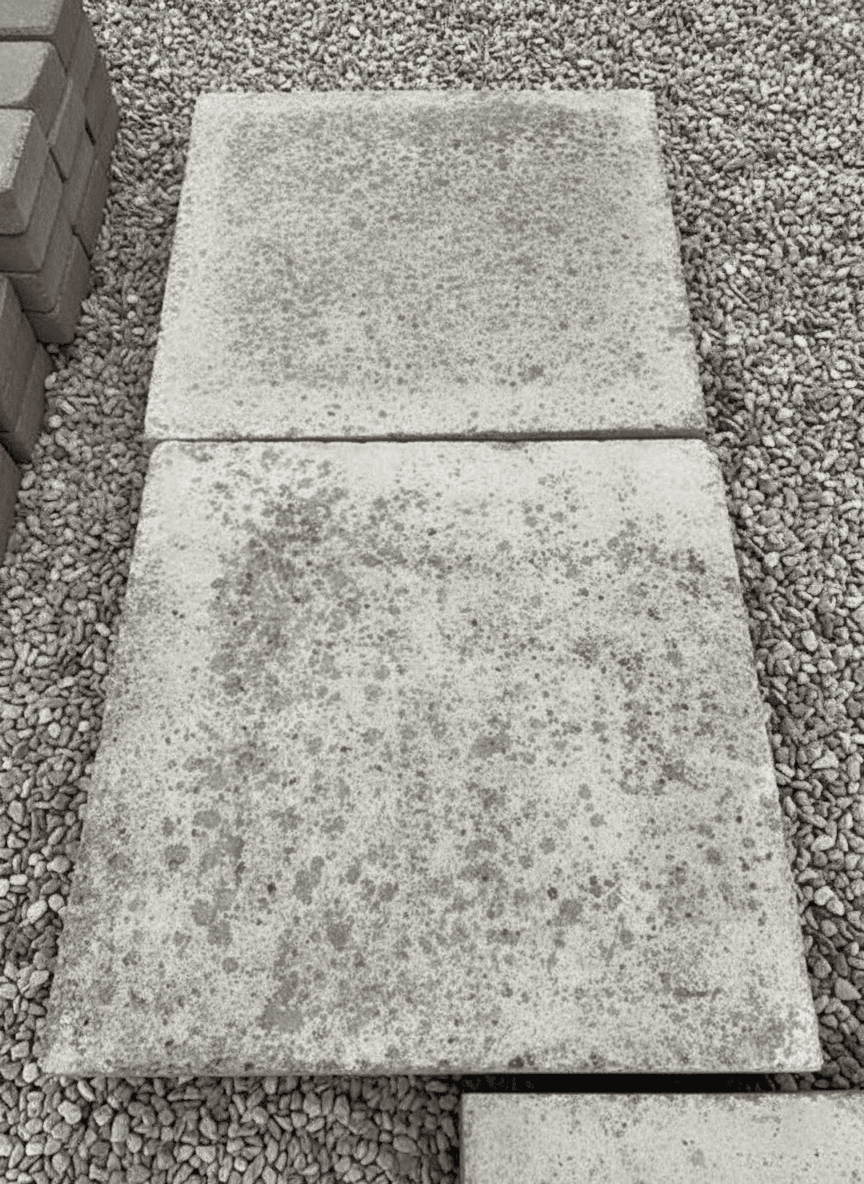
Reclaimed Grey/Painted Buff Slabs 600mm x 600mm x 38mm
£5.65
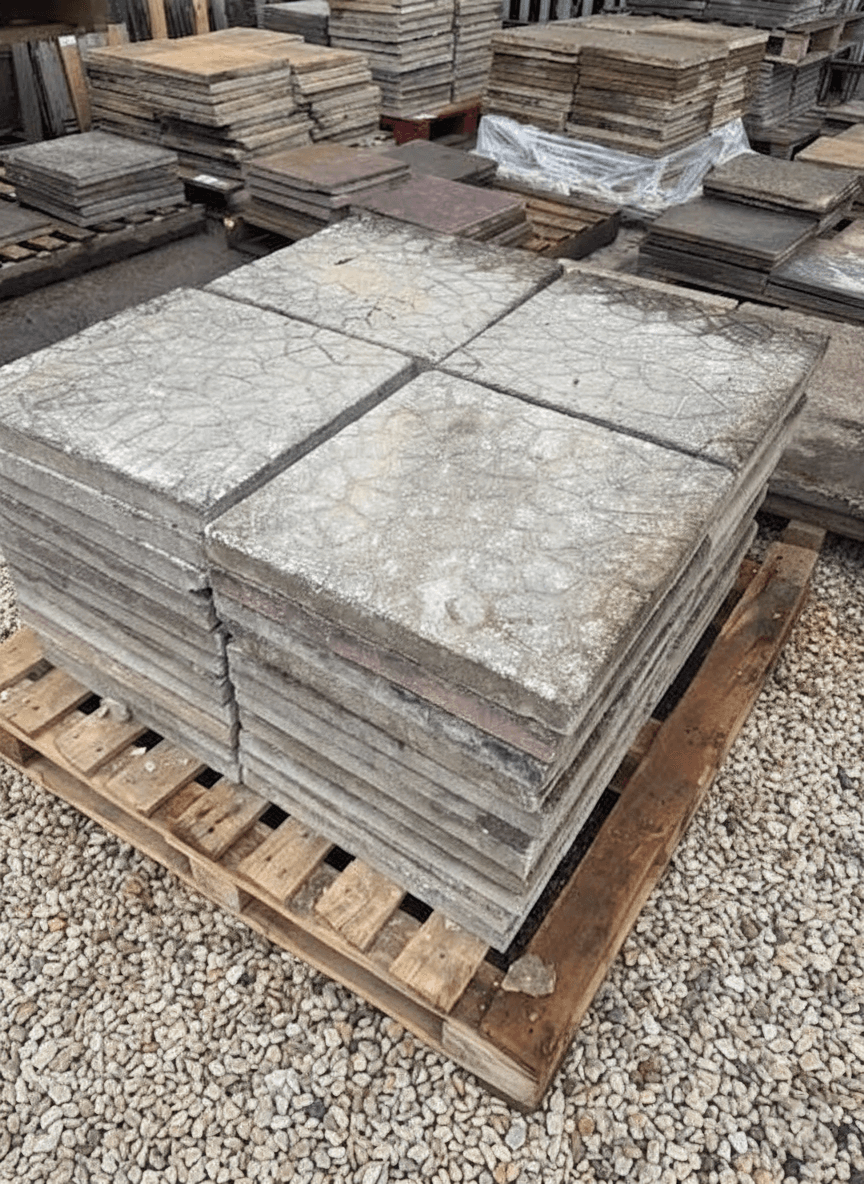
Reclaimed Grey Cracked Ice Paving Slabs 450mm x 450mm
£3.40
Frequently asked questions
- Do you know the origin or quarry for reclaimed stone?
- Where known, provenance is recorded at the point of audit. Origin matters more for stone than almost any other reclaimed category, both for matching an existing scheme and because it affects resale value on high-end or listed projects, so ask if it isn't stated on the listing.
- What's the difference between riven and sawn York stone?
- Riven York stone is naturally split, giving a textured, uneven surface; sawn (or dressed) York stone is cut and finished smoother and more uniform. Which you want depends on the look you're matching, riven suits period paving and walling, sawn suits a cleaner, more contemporary finish.
- Will reclaimed stone match an existing wall or paving scheme?
- Often yes, particularly for conservation and landscaping projects where planning officers frequently prefer reclaimed material. Take photographs of the existing stonework to your supplier so they can match colour, texture and finish as closely as possible.
How to make an enquiry
Source reclaimed stone for your next project.
Whether you're matching an existing walling scheme, specifying paving for a landscaping project or working within a conservation area, our team can help. We'll track down quality reclaimed stone across our supplier network, and can help with the rest of the material schedule too.
- York stone, sandstone, coping stones, setts and flagstones
- Provenance captured where known
- Type, finish and quantity recorded at audit
- Sourced from audited UK demolition and deconstruction
A specialist replies within one working day.
Call us: 07549 817311