
Material Index Sourcing Guide
Reclaimed Tiles: Matching, Condition and Fixing.
How to source reclaimed ceramic, porcelain and natural stone tiles: matching a batch, checking condition, heritage matching and what to plan for when fixing.
Tile types, and which your project needs.
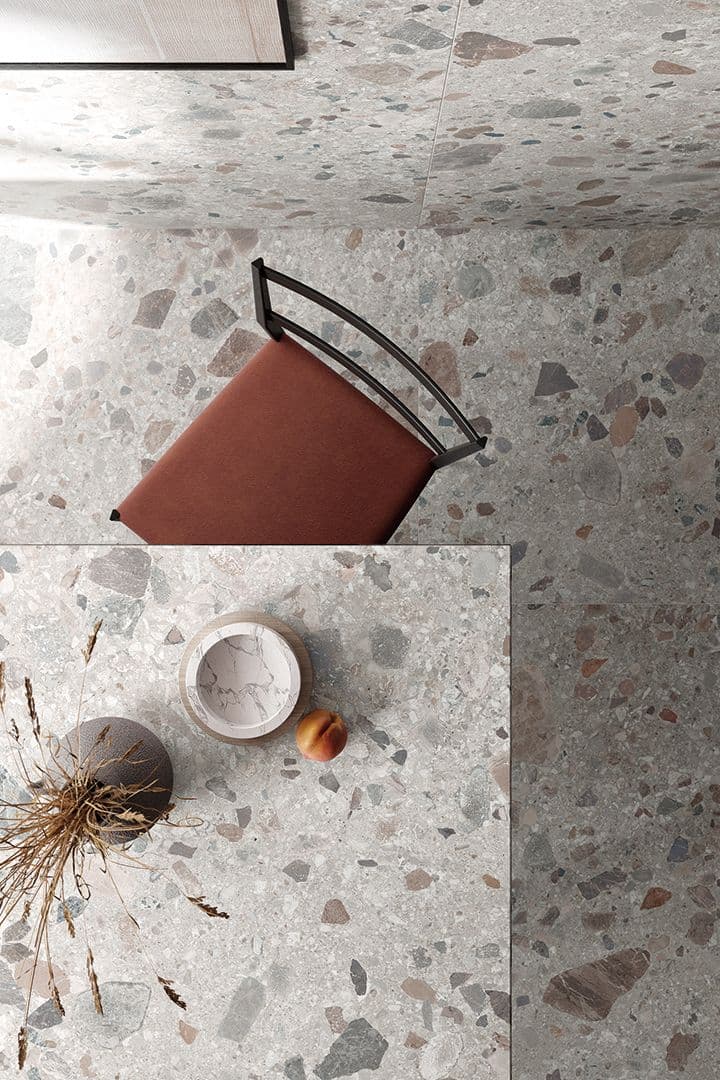
“Tiles” covers a few genuinely different materials, and it's worth knowing which one your project needs before browsing, since it affects durability, finish and where a tile can be laid:
- Ceramic and porcelain: the most common wall and floor tiles; porcelain is denser and harder-wearing, better suited to floors and wet areas
- Encaustic: patterned tiles where the design runs through the body rather than being printed on top, common in Victorian and period schemes
- Quarry and terracotta: unglazed fired-clay floor tiles, often reclaimed from older commercial and domestic floors
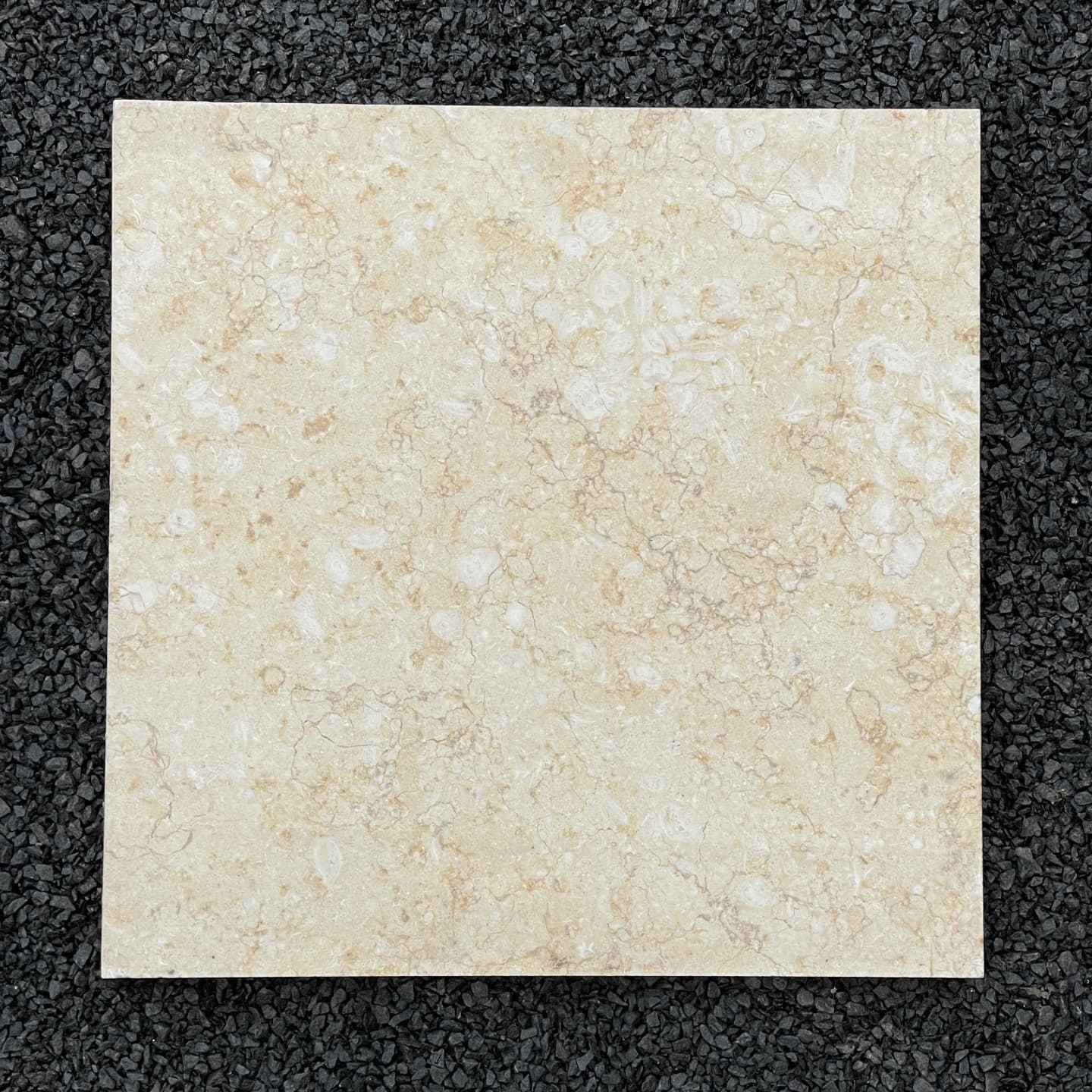
- Natural stone: marble, slate, limestone and similar, graded and matched much like reclaimed stone
Batch and shade matching.
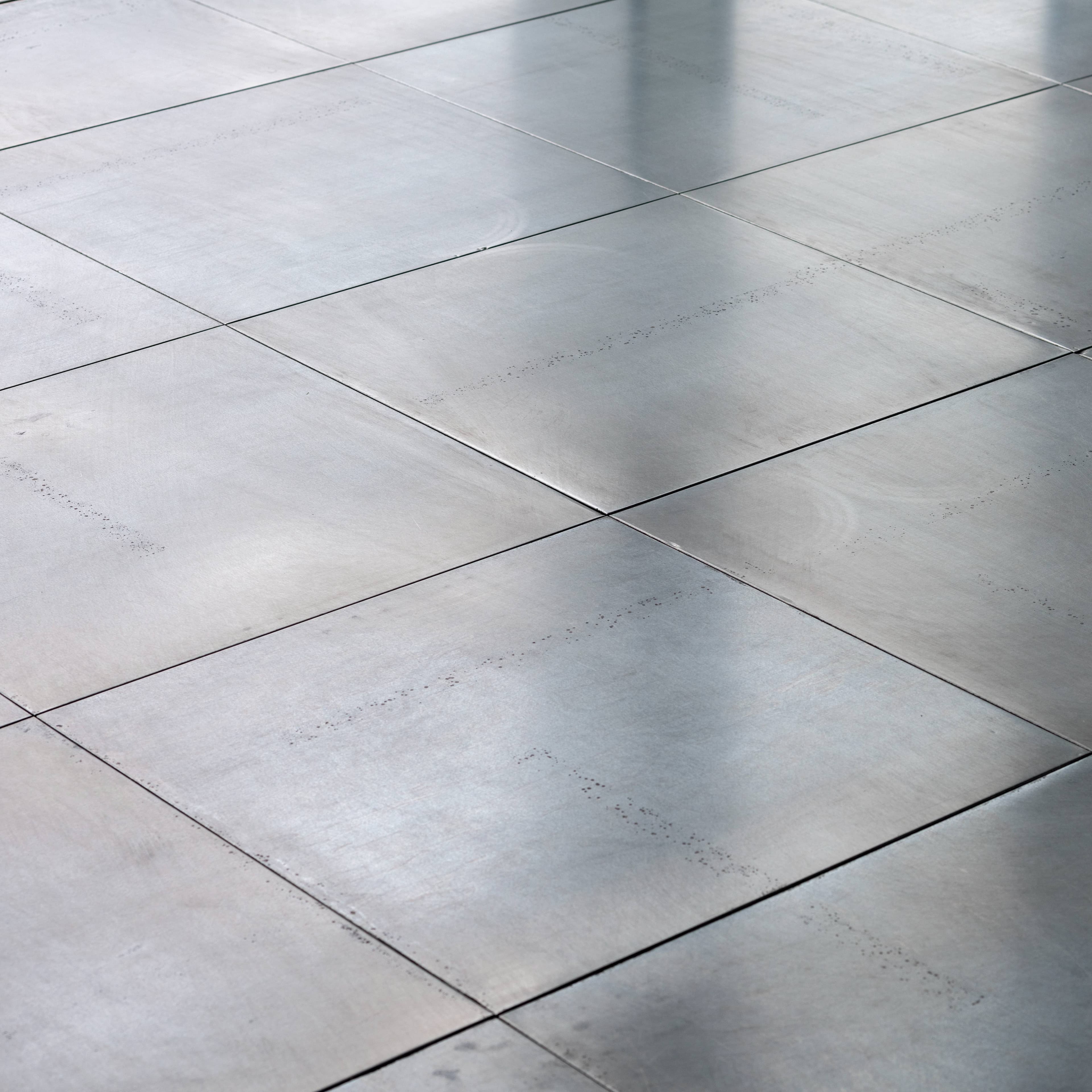
Tiles are laid edge to edge across a visible area, so consistency across a batch matters more than in most categories:
- Quantity: enough to cover your area, with spare for cuts and future repairs
- Single vs multiple source: ask which, since shade and finish can vary between batches
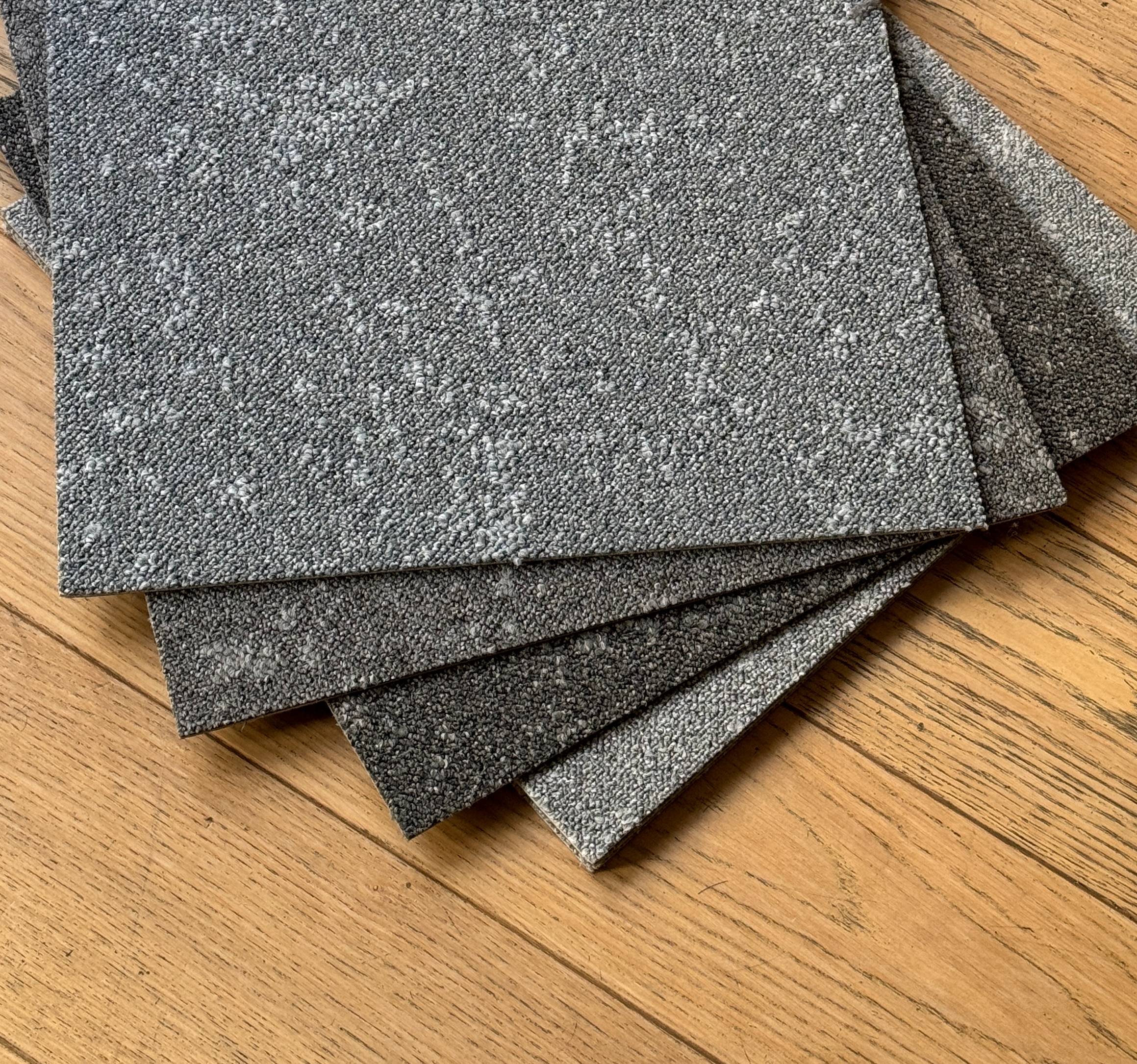
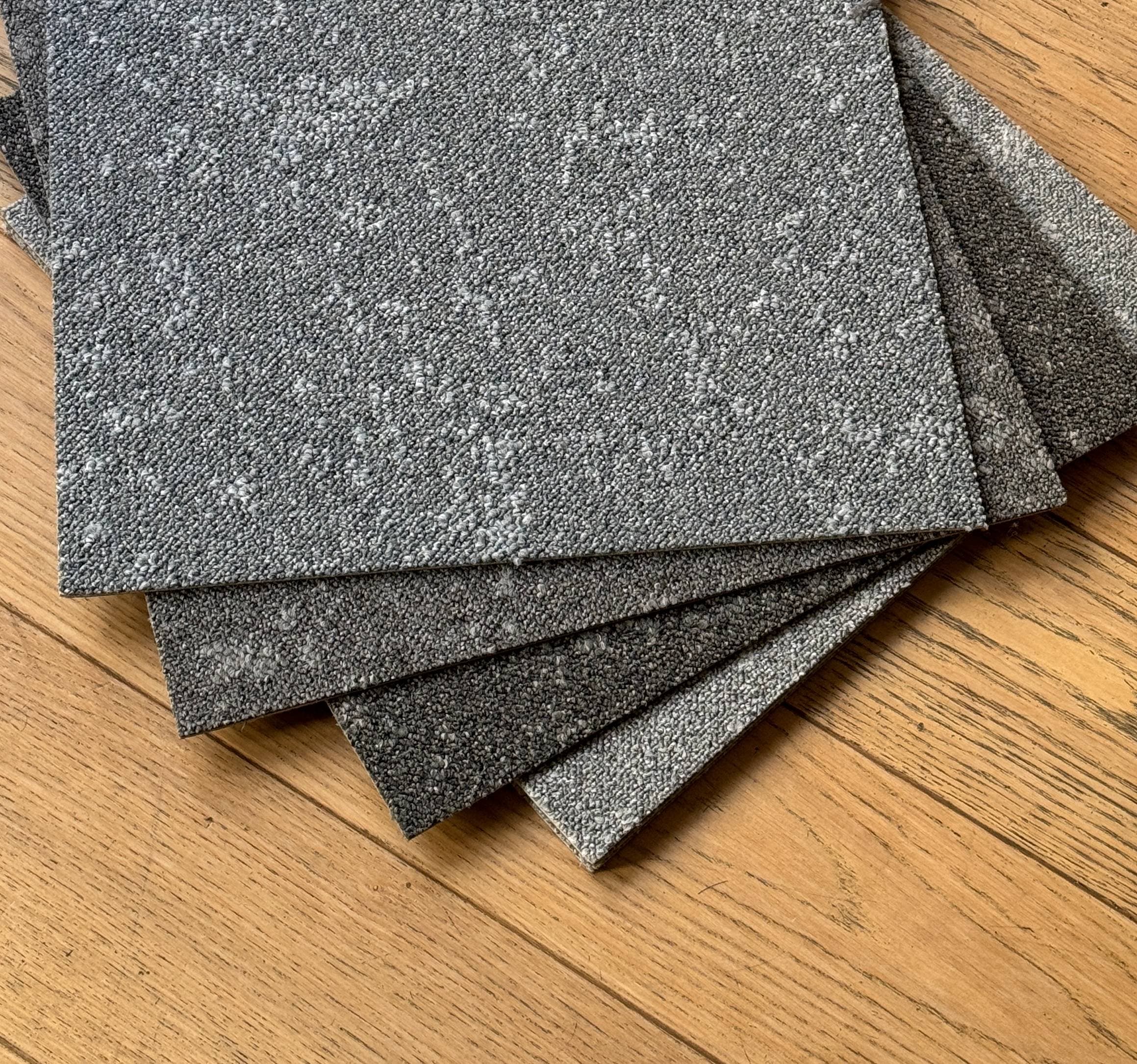
- Shade variation: some variation is normal, and expected in period tiles, so ask for photos of the actual stock rather than a stock image
Condition: chips, crazing and the back of the tile.
Reclaimed tiles are graded on visible condition, and for tiles that means more than the face. Ask about chips and edge damage that affect how tiles sit together, crazing (fine cracks in the glaze), and whether old adhesive or mortar is still fixed to the back, since that affects how easily and evenly they can be relaid. Slight thickness variation between reclaimed tiles is also worth confirming for a level finish.
Heritage and period matching.
Reclaimed tiles come into their own on heritage and character projects, where new tiles rarely match an existing floor or an original scheme. For a listed building or conservation-area project, take photographs of the existing tiling to your supplier so they can match pattern, colour and format as closely as possible, and order early, since period tiles can't always be topped up from the same source later.
Fixing and laying.
Plan for a little more preparation than with new tiles. Old adhesive or mortar may need cleaning from the backs, the substrate needs to suit the tile's weight and thickness, and porous tiles such as terracotta or unglazed stone usually need sealing. Factor this into both cost and programme, especially at volume.
How Material Index sources tiles.
Every batch listed comes from an audited strip-out, refurbishment or demolition project, with material, condition and quantity recorded at the point of audit. Browse current stock in Tiles, or see how materials like this get identified during a pre-demolition audit.
Join our Newsletter for access to the latest reclaimed items.
FAQ.
Will reclaimed tiles match across a floor or wall?
Usually, if you buy from a single source with enough spare for cuts and repairs. Some shade and finish variation is normal, and expected in period tiles, so for visible areas ask for photos of the actual stock and confirm the listed quantity covers your area with a margin.
How is chipping and condition assessed?
Tiles are graded on visible condition, including chips and edge damage, crazing in the glaze, and whether old adhesive or mortar is still fixed to the back. For floors, ask about thickness variation too, since it affects how level the finished surface sits.
Can you match heritage or period tiles like Victorian encaustics?
Often, where the stock exists. Take photographs of the existing tiling to match pattern, colour and format, and order early, since period tiles can't always be topped up from the same source later. Provenance and material are recorded at audit where known.
Tell us what you need.
We'll source it.
Send a spec, a moodboard, or a photo from site. We search audited stock and reclaimed supply across the UK.

Venetia Flint, Procurement Lead
Replies within 24 hours